

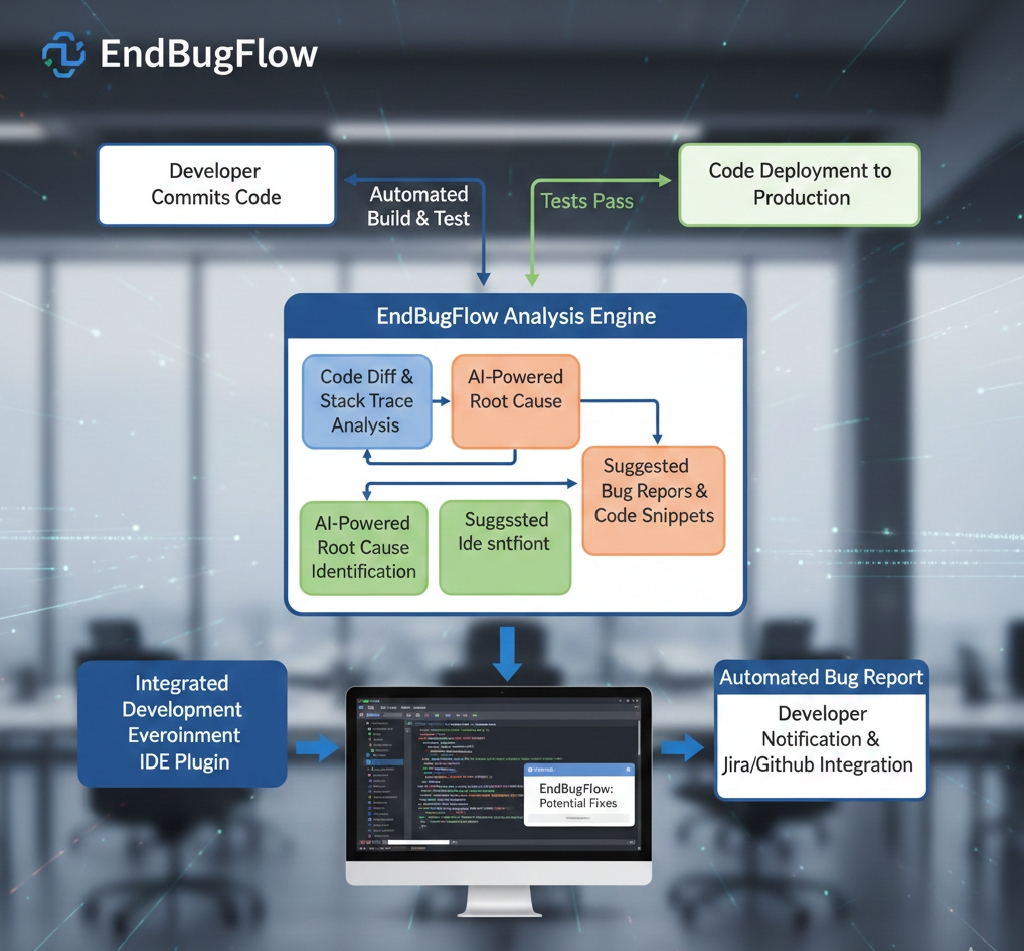
If you’ve ever worked with a development team, you know how quickly bug tracking can turn messy. One person reports a problem in chat, another writes it in a document, and someone else forgets about it entirely. That’s when many people start asking, how does EndBugFlow software work, and whether it can actually fix this confusion.
EndBugFlow helps teams manage bugs in a structured and stress-free way. It doesn’t complicate the process. Instead, it creates a clear path for every issue, from discovery to final resolution. Let’s look at how it works in real-world situations.
What EndBugFlow Is Designed to Do
EndBugFlow exists to keep bugs organized and visible.
Teams use it to track issues in one central place instead of spreading information across emails or messages. Every bug has a clear owner, a status, and a history. This structure helps teams stay aligned and avoid misunderstandings.
When people ask how does EndBugFlow software work day to day, the short answer is simple: it keeps everyone focused on fixing problems instead of chasing updates.
Step One: Setting Up the Project
Teams start by creating a project inside EndBugFlow. During setup, they define roles, add team members, and design a workflow that fits their process.
Most teams choose stages like:
- Open
- In Progress
- Testing
- Resolved
- Closed
These stages guide each bug through a clear path. Because everyone follows the same flow, confusion drops immediately, especially in teams with multiple developers.
Step Two: Reporting Bugs Clearly
When someone finds a bug, they log it directly into EndBugFlow. The reporting form encourages detailed information, such as:
- What went wrong
- Where the issue appears
- Steps to reproduce the problem
- Screenshots or files
Clear reports save time. Developers understand the issue faster and avoid unnecessary back-and-forth. This step alone explains why many teams rely on structured tools instead of casual messages.
Step Three: Prioritizing the Right Issues
Not every bug needs immediate attention. EndBugFlow allows teams to set priorities so they can focus on the most serious problems first.
A system crash receives higher priority than a small design issue. This approach helps teams plan their work logically instead of reacting emotionally. If you wonder how does EndBugFlow software work efficiently, prioritization plays a big role.
Step Four: Assigning Ownership
After logging and prioritizing a bug, the team assigns it to a specific person. This step creates accountability.
Developers update the status as they work, and everyone can see progress without asking for updates. Clear ownership removes confusion and builds trust within the team.
Step Five: Monitoring Progress in Real Time
EndBugFlow provides dashboards that show the current state of all bugs. Managers and team members can quickly see:
- Which bugs remain open
- Which ones developers are fixing
- Which ones are ready for testing
This visibility helps teams make better decisions and plan future work with confidence.
Step Six: Testing the Fixes
After a developer fixes a bug, the issue moves to testing. Testers or QA team members verify that the fix works as expected.
If the problem still appears, they reopen the bug and send it back for correction. This loop continues until the issue is fully resolved, ensuring better software quality.
Step Seven: Closing Bugs and Improving the Process
Once testing confirms the fix, the team closes the bug. EndBugFlow keeps a record of every step, which helps teams review past issues later.
Over time, teams can analyze patterns, such as frequent problem areas or average fix times. These insights help them improve their workflow and reduce future bugs.
Final Thoughts
So, how does EndBugFlow software work in simple terms? It turns bug tracking into a clear, active, and organized process.
The software doesn’t replace skilled developers or testers. Instead, it supports them by reducing confusion, saving time, and improving communication. For teams tired of lost bugs and unclear responsibilities, EndBugFlow provides a practical solution that keeps work moving forward smoothly.
