

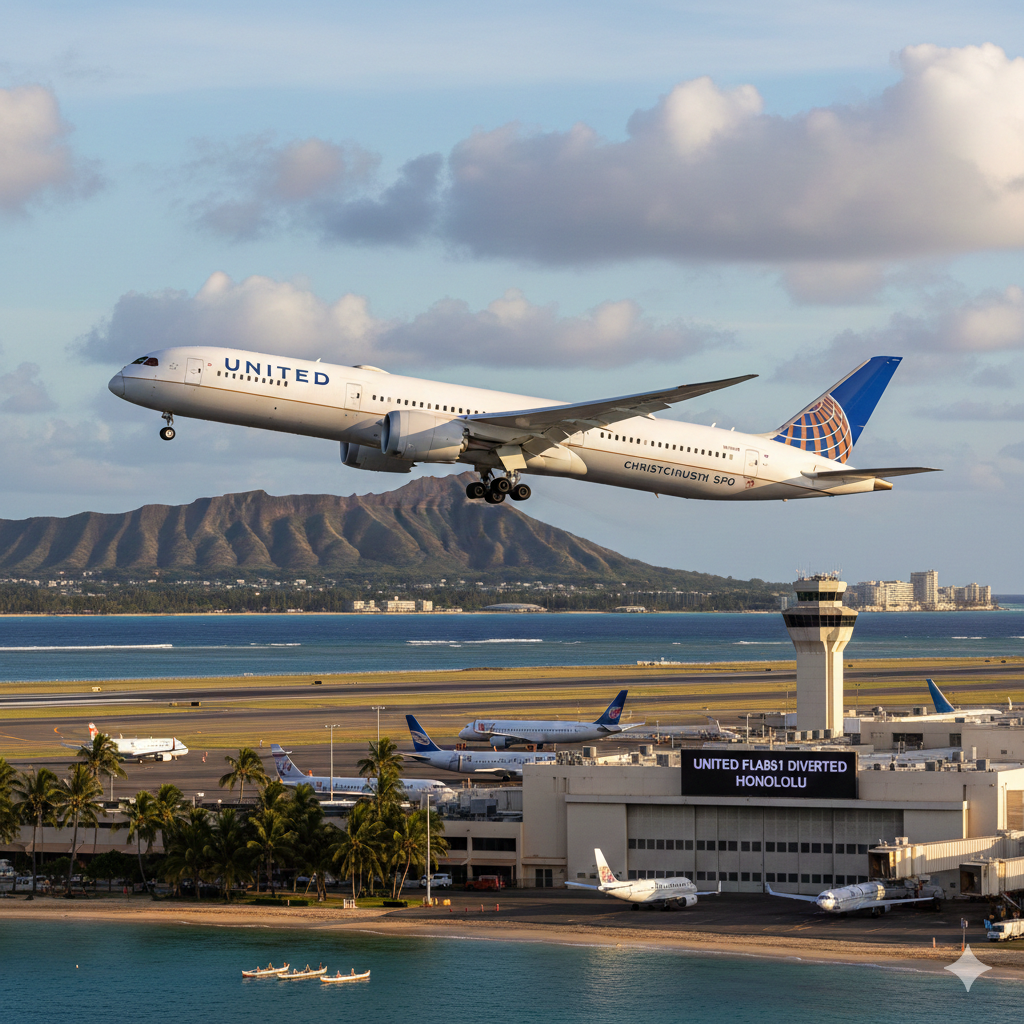
In a surprising turn of events, a United Christchurch SFO diverted Honolulu flight made headlines this week after a United Airlines flight, initially heading from Christchurch, New Zealand, to San Francisco (SFO), had to divert to Honolulu, Hawaii. This unexpected detour raised several questions for travelers and aviation enthusiasts alike. Why did the flight divert? How did passengers cope with the sudden change? In this article, we’ll explore the details behind the United Christchurch SFO diverted Honolulu incident, why it happened, how it impacted passengers, and how travelers can prepare for similar situations.
The Unexpected Flight Change: United Christchurch SFO Diverted Honolulu
It’s rare for a long-haul flight between Christchurch and San Francisco to take an unscheduled stop. The United Christchurch SFO diverted Honolulu situation wasn’t part of any traveler’s plan, but the decision became necessary due to specific operational reasons. United Airlines flight 872 was flying nonstop from Christchurch to San Francisco when it changed course and diverted to Honolulu.
Although United Airlines did not provide a full explanation, they made the diversion to ensure passenger safety. When a flight diverts, airlines typically choose the nearest major airport that can accommodate large international flights. Honolulu’s Daniel K. Inouye International Airport met these criteria and allowed the plane to land safely and undergo necessary checks before continuing its journey to San Francisco.
Why Was the United Christchurch SFO Diverted to Honolulu?
Several factors might have contributed to the United Christchurch SFO diverted Honolulu flight. Here are some possible reasons behind the diversion:
- Weather Conditions: Dangerous weather along the flight path or at the destination airport can force airlines to divert flights. Storms, high winds, or other hazards may require pilots to find a safer route to land.
- Technical Issues: Aircraft sometimes encounter technical problems mid-flight that prevent them from continuing as planned. These could include engine malfunctions, navigation issues, or other mechanical concerns.
- Medical Emergencies: In cases where a passenger or crew member experiences a medical emergency, flights can divert to the nearest airport where medical staff are available to assist.
- Air Traffic Control: Airports may face delays or congestion, prompting air traffic control to direct flights to alternate airports. This ensures smooth scheduling and minimizes risk.
For the United Christchurch SFO diverted Honolulu flight, United Airlines has not disclosed the specific cause of the diversion. However, it likely stemmed from weather or operational issues. The decision to land in Honolulu ensured the safety of all passengers on board.
How Did Passengers Handle the Diversion?
Passengers on the United Christchurch SFO diverted Honolulu flight were understandably affected by the unexpected stop. Here’s how the diversion impacted them:
- Delayed Arrival: The diversion added several hours to the flight, causing passengers to miss their expected arrival time in San Francisco. This delay impacted travelers with tight schedules and connections.
- Rescheduling and Rebooking: United Airlines acted quickly to rebook passengers for connecting flights. For those who couldn’t reach San Francisco the same day, the airline arranged accommodations and provided transportation to hotels.
- Passenger Comfort: During the diversion, United Airlines offered snacks, beverages, and other essentials to make passengers more comfortable while they waited. The airline ensured passengers were well taken care of during the unplanned stopover in Honolulu.
- Communication: Passengers were kept informed about the diversion. United Airlines communicated the next steps, though some passengers felt that more detailed information could have been shared sooner.
Tips for Handling Flight Diversions
Flight diversions, like the United Christchurch SFO diverted Honolulu incident, can be stressful. Here’s how to manage these situations effectively:
- Stay Informed: Keep an eye on your flight status through the airline’s app, emails, or website. If a delay or diversion happens, staying updated on the situation will help you plan accordingly.
- Know Your Rights: In case of delays, diversions, or cancellations, airlines often offer compensation in the form of meals, accommodation, or other services. Familiarize yourself with the airline’s policies regarding delays and diversions.
- Have a Backup Plan: Plan for potential delays or missed connections. For long-haul flights, having flexible options can reduce stress if an unexpected diversion happens.
- Pack Essentials in Carry-On: Long delays or diversions often require passengers to wait for extended periods. Pack essential items such as medications, snacks, chargers, and entertainment in your carry-on to stay comfortable.
- Stay Calm: Diversions can be frustrating, but keeping your composure will help you navigate the situation with less stress. Airline staff will do their best to get you to your destination.
United Airlines’ Response to the Christchurch SFO Diverted Honolulu Flight
United Airlines acted quickly to manage the United Christchurch SFO diverted Honolulu situation. While some passengers reported confusion, United took prompt action to ensure the comfort and safety of everyone on board. The airline rebooked passengers, arranged accommodations, and provided the necessary support to help people reach their final destination.
Despite some initial concerns, most passengers agreed that United handled the diversion as efficiently as possible. The airline ensured that safety remained a top priority and worked diligently to get travelers back on track as quickly as possible.
Preparing for Long-Haul Flights and Diversions
If you’re planning a long-haul flight like the one from Christchurch to San Francisco, it’s important to prepare for unexpected situations. Here are a few tips:
- Book Flights with Buffer Time: Leave extra time for connections or potential delays. A buffer between flights can ease the stress of unexpected diversions, like the United Christchurch SFO diverted Honolulu incident.
- Consider Travel Insurance: Travel insurance can help protect you in case of delays or diversions. Many plans cover additional expenses, such as accommodation, meals, or rebooking fees.
- Understand Airline Policies: Familiarize yourself with the airline’s policies on delays and diversions. Knowing what to expect will help you handle situations more effectively.
Conclusion
The United Christchurch SFO diverted Honolulu flight highlights the unpredictable nature of air travel. While diversions like this can cause delays and disruptions, they ensure passenger safety. United Airlines took swift action to accommodate passengers and ensure their comfort. Although diversions are frustrating, they are a necessary part of air travel. By following the tips in this article, travelers can be better prepared for unexpected situations and handle them with patience and ease.
