

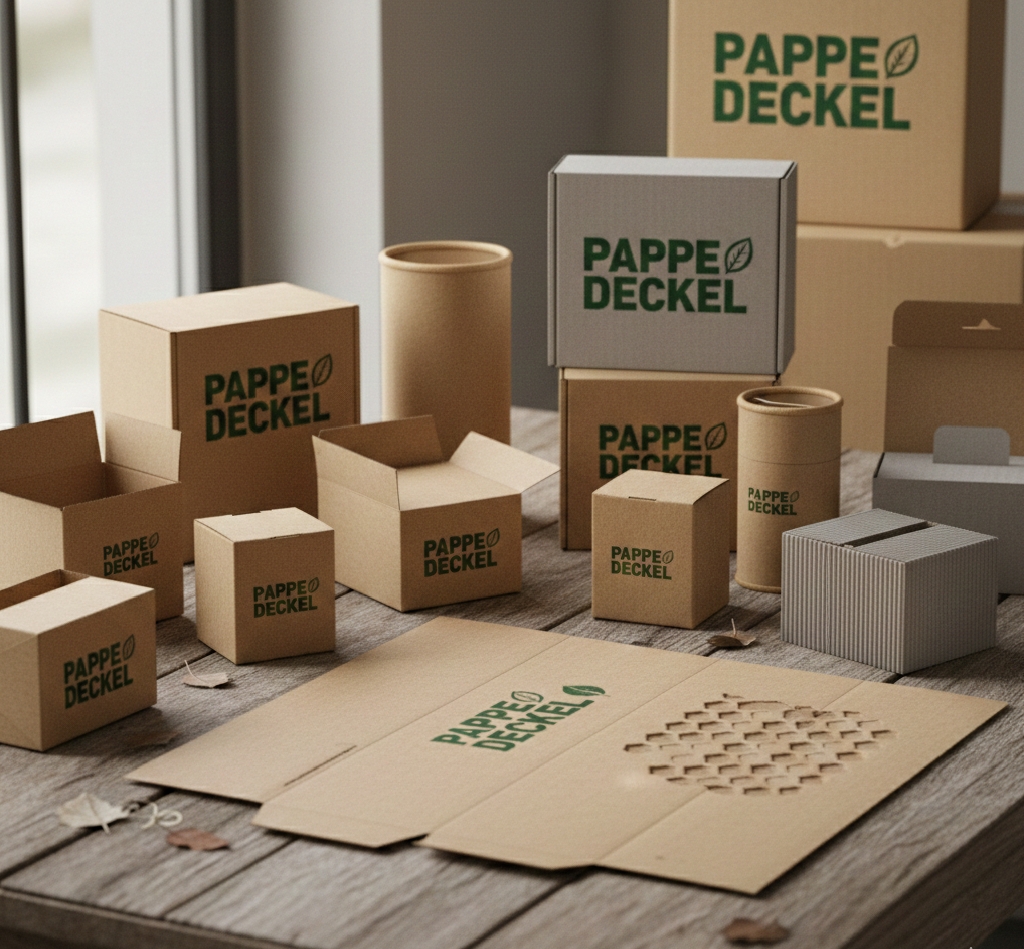
The term “Pappedeckel” might not be familiar to many, but it’s an emerging concept transforming industries like food packaging and sustainability. Derived from German, “Papier” means paper, and “Deckel” means lid or cover. While the term may sound niche, it represents a significant shift toward eco-friendly packaging. In this article, we’ll explore what Pappedeckel is, how it’s used, and the impact it’s making on the packaging industry.
What is Pappedeckel?
At its core, Pappedeckel refers to a paper-based lid or cover that serves as a sustainable alternative to plastic. This material is becoming popular, especially in food packaging, because it offers a biodegradable and recyclable solution. Made from durable paperboard, it withstands moisture and pressure, making it a practical choice for various applications like takeout containers, beverage cups, and jars.
The main advantage of using paper-based lids is their ability to replace single-use plastics, contributing to the reduction of plastic waste. This sustainable approach appeals to businesses and consumers who are increasingly focused on reducing their environmental footprint.
The Environmental Benefits of Paper Lids
One of the reasons paper lids are gaining traction is the growing environmental awareness surrounding plastic waste. Single-use plastic has become a global crisis, with millions of tons of waste finding its way into oceans, landfills, and natural habitats each year. Switching to paper-based lids offers a solution to this issue.
How Paper Lids Help the Environment:
- Biodegradability: Unlike plastic, paper naturally breaks down over time, causing less long-term environmental harm.
- Recyclability: Paper can be recycled easily, reducing the need for new raw materials and helping close the loop on waste.
- Less Plastic Pollution: By replacing plastic lids with paper-based options, companies can significantly cut down on the plastic waste that pollutes ecosystems.
As more industries, especially in foodservice, adopt paper lids, they help reduce the volume of waste generated by traditional plastic packaging.
Eco-Friendly Packaging: A Growing Trend
The demand for eco-friendly packaging continues to rise as consumers become more conscious of the impact their choices have on the environment. Companies are responding by exploring alternatives to plastic, including sustainable materials like paper. This shift is especially prominent in the foodservice sector, where takeout containers, drink cups, and salad bowls often rely on plastic lids.
Paper lids fit perfectly into this transition. They provide a more sustainable option without compromising on functionality or durability. Furthermore, many paper lids are made from recycled paper, which further reduces their environmental impact.
Applications of Paper-Based Lids in Various Industries
Although commonly associated with food packaging, paper lids have versatile applications across different industries. Their durability and eco-friendly nature make them an attractive option for companies looking to reduce their environmental footprint. Here are some areas where they’re being used:
- Food Packaging: These paper covers are ideal for takeout containers, beverage cups, and ice cream tubs. They help reduce reliance on plastic, offering an eco-friendly packaging solution.
- Cosmetic Packaging: Many beauty and skincare brands have adopted paper-based lids for their product containers. This choice enhances the brand’s sustainability efforts and appeals to environmentally conscious consumers.
- Household Products: Paper lids are also used in packaging home goods like candles, cleaning products, and more. Their versatility makes them suitable for non-food items as well.
The widespread use of paper lids across different sectors demonstrates their practicality and adaptability as an eco-conscious alternative.
Durability and Functionality of Paper Lids
One concern with eco-friendly alternatives is whether they can compete with plastic in terms of durability. Fortunately, paper lids are made from high-quality paperboard, which makes them strong enough to endure moisture, pressure, and general handling. This makes them suitable for applications in food packaging, where lids must maintain integrity during transport and storage.
In addition to being durable, many paper lids are designed to be leak-proof, a crucial feature for beverages and liquid products. This functionality ensures that liquids stay contained without spills, offering the same level of reliability as plastic.
Moreover, paper lids are customizable. Brands can print logos and other messages on them, allowing businesses to maintain their branding while promoting a sustainable image.
Challenges and the Future of Paper-Based Packaging
Despite the advantages, there are still challenges to overcome. One issue is cost. Paper-based packaging often costs more to produce than plastic alternatives, which may deter some businesses from switching. However, as demand grows and production techniques improve, the price of paper lids is expected to decrease.
Another challenge is their performance in extreme conditions. For products requiring extended shelf lives or those stored in harsh environments (like freezing or long-distance shipping), paper may not always offer the same protection as plastic. Innovations in paperboard technology are helping to address these issues, making paper lids a more viable option for a wider range of products.
Despite these challenges, the future of paper-based lids looks promising. With increasing pressure on companies to reduce their environmental impact, more businesses are likely to adopt this sustainable packaging solution in the coming years.
Conclusion
Pappedeckel presents a simple yet powerful solution to the global issue of plastic waste. As an eco-friendly alternative to plastic lids, it offers businesses a chance to reduce their environmental impact without sacrificing packaging quality. While challenges remain, particularly around cost and performance, the demand for sustainable packaging solutions is only expected to rise. By embracing Pappedeckel, companies can contribute to a greener future while meeting the growing consumer demand for sustainability.
