

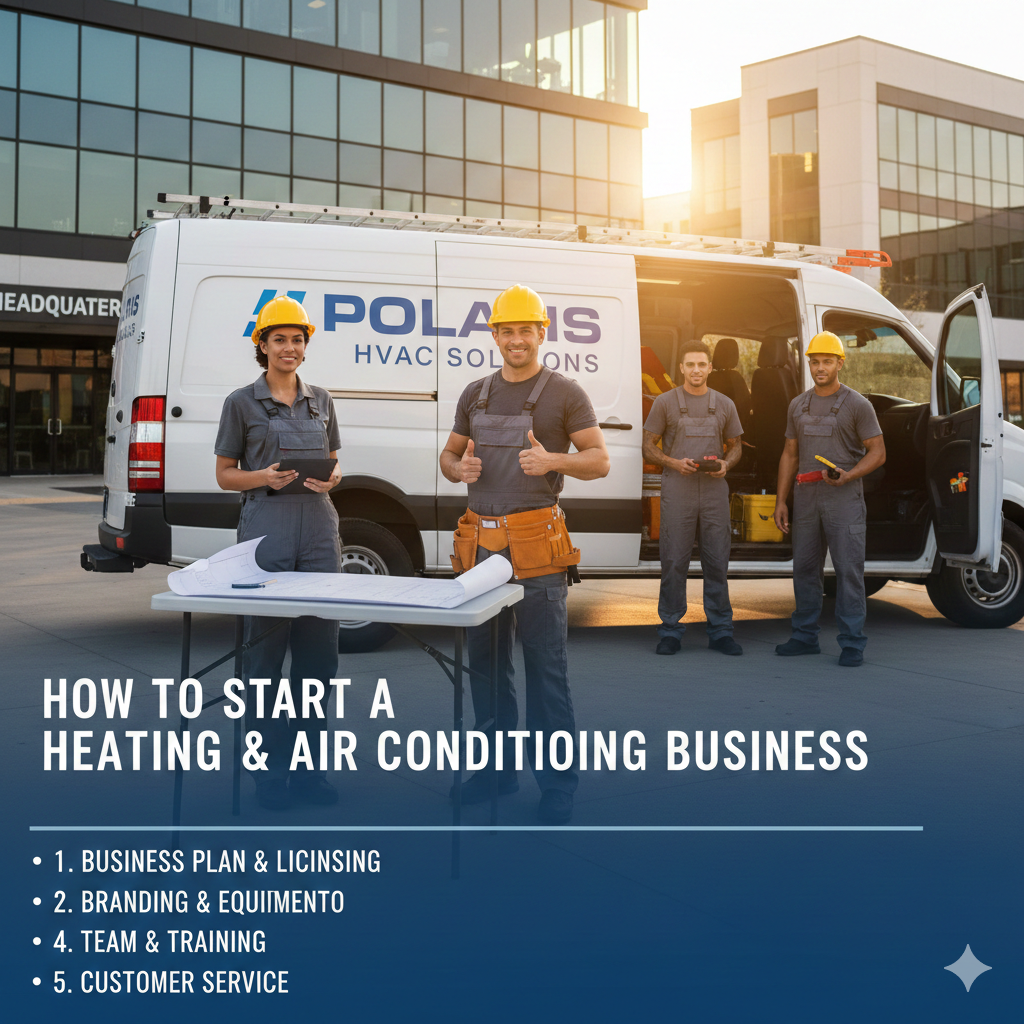
If you’ve ever wondered how to start a heating and air conditioning business, you’re not alone. The HVAC (Heating, Ventilation, and Air Conditioning) industry is booming, offering great opportunities for entrepreneurs. However, like any business, it requires careful planning, the right tools, and an understanding of industry dynamics. In this guide, we will walk you through the essential steps on how to start a heating and air conditioning business and set you on the path to success.
1. Understand the HVAC Industry
Before diving into any business, it’s crucial to understand the industry you’re entering. The HVAC industry provides essential services, such as:
- Installation: Installing heating, ventilation, and air conditioning systems in residential, commercial, and industrial spaces.
- Repair: Diagnosing and fixing problems with heating and cooling systems.
- Maintenance: Performing regular checks and maintenance to ensure systems are running efficiently.
Understanding the market demand is key when learning how to start a heating and air conditioning business. People need HVAC professionals to ensure their systems are operating efficiently, particularly during extreme weather conditions. Whether it’s installing new units or maintaining existing ones, HVAC services are always in demand, especially with the increasing need for energy-efficient systems.
2. Obtain the Necessary Skills and Certifications
Once you’ve decided how to start a heating and air conditioning business, the next crucial step is to obtain the right skills and certifications. Having technical expertise is vital. While a formal degree isn’t always required, industry certifications and hands-on experience are essential for gaining customer trust and complying with regulations.
- HVAC Certification: This is crucial for most HVAC professionals. Certifications such as those from the Environmental Protection Agency (EPA) for refrigerant handling are often required by law.
- Apprenticeships: Gaining hands-on experience under a skilled technician is invaluable. Many HVAC professionals start as apprentices before launching their own businesses.
- Licensing: Depending on your location, certain licenses are required to operate legally. Make sure to research the specific requirements for your area before opening your HVAC business.
Apart from technical qualifications, knowledge in business operations such as accounting, customer service, and marketing will also be beneficial in running your HVAC business smoothly.
3. Create a Solid Business Plan
A well-crafted business plan is essential for anyone wondering how to start a heating and air conditioning business. Your business plan serves as a roadmap for your HVAC company and will help secure financing or investors if needed. Here’s what should be included:
- Business Overview: What is your company’s mission and vision? What makes your HVAC business stand out from competitors?
- Market Research: Who are your target customers? Are you focusing on residential clients, commercial customers, or both? What are the pricing strategies of your competitors?
- Services Offered: Clearly define the services you will provide, whether it’s installation, maintenance, or repair.
- Financial Plan: Outline your startup costs, including equipment, licenses, insurance, and employee salaries. Include a forecast for your business’s revenue and expenses.
- Marketing Strategy: Decide how you’ll market your HVAC business. Digital marketing, word of mouth, and local advertising are key methods.
Creating a solid business plan will help you remain focused, and it will be a useful document when applying for permits or seeking loans.
4. Register Your Business and Get Necessary Permits
Now that you know how to start a heating and air conditioning business, it’s time to make it official. Register your business with the local authorities to get the required licenses and permits. This is an essential step for operating legally.
- Business Structure: The most common business structures are Sole Proprietorship, Limited Liability Company (LLC), or Corporation. Choosing the right structure will depend on your goals and preferences. An LLC, for example, offers personal liability protection.
- Employer Identification Number (EIN): Apply for an EIN through the IRS. It’s used for tax purposes and is essential for hiring employees or opening a business bank account.
- Local Permits: HVAC businesses require various permits to operate. Research local, state, and federal requirements to ensure compliance with all necessary regulations.
Starting your HVAC business legally will ensure you’re protected and operating within the law, which is crucial for long-term success.
5. Invest in the Right Equipment
When learning how to start a heating and air conditioning business, one of the significant upfront costs is equipment. Investing in high-quality tools and machinery will set your business up for success.
- HVAC Tools: Wrenches, pressure gauges, refrigerant recovery machines, and more. These are essential for HVAC system diagnostics and repairs.
- Company Vehicle: A van or truck is necessary for transporting tools and equipment to job sites. It should be large enough to carry the necessary supplies.
- Safety Gear: As an HVAC professional, you’ll need safety gear, including gloves, goggles, and work boots.
These investments are key to providing reliable services and ensuring the safety of you and your team.
6. Set Up Your Business Location and Office
Once you know how to start a heating and air conditioning business, you’ll need a place to run operations. Depending on the size of your business, you might start working from home or rent a small office space.
- Office Space: If your business grows, you may need an office for managing operations. However, it doesn’t need to be in a high-traffic area, as most of your work will be on-site.
- Storage and Equipment: You will need a place to store your tools, equipment, and materials, especially if you plan to offer a wide range of HVAC services.
Having a dedicated space will help streamline your operations and make your business appear more professional to customers.
7. Market Your HVAC Business
Once you’ve set up your HVAC business, marketing is the next key step. Now that you know how to start a heating and air conditioning business, attracting customers will be your main focus. Here’s how to get your name out there:
- Digital Marketing: Establish an online presence with a professional website and search engine optimization (SEO) strategies. Use Google Ads and local SEO to show up in searches for HVAC services in your area.
- Social Media: Platforms like Facebook, Instagram, and LinkedIn allow you to connect with potential customers and showcase your services.
- Networking: Partner with local real estate agents, homebuilders, and contractors to generate referrals.
- Referral Program: Offer discounts to clients who refer friends and family. Word of mouth can be a powerful marketing tool in the HVAC industry.
Effective marketing will help you stand out from competitors and attract your first clients.
8. Build Relationships and Provide Excellent Customer Service
One of the most effective ways to grow your HVAC business is by providing outstanding customer service. Here’s how:
- Professionalism: Always show up on time, be courteous, and treat every job with professionalism.
- Follow-up: After completing a job, check in with clients to ensure they are satisfied with your work. A satisfied customer is more likely to recommend you to others.
- Loyalty: Offer maintenance packages and discounts for repeat customers. This can keep your business steady and generate recurring revenue.
By providing top-notch service, you’ll build a loyal customer base that can help you grow your business.
Conclusion: Patience and Persistence Lead to Success
Now that you know how to start a heating and air conditioning business, remember that success won’t happen overnight. It takes hard work, dedication, and the willingness to adapt. By following these steps and staying committed to offering high-quality services, your HVAC business will have the foundation it needs to succeed. Keep learning, stay updated with industry trends, and continuously improve your customer service, and you’ll be well on your way to building a successful heating and air conditioning business.
