

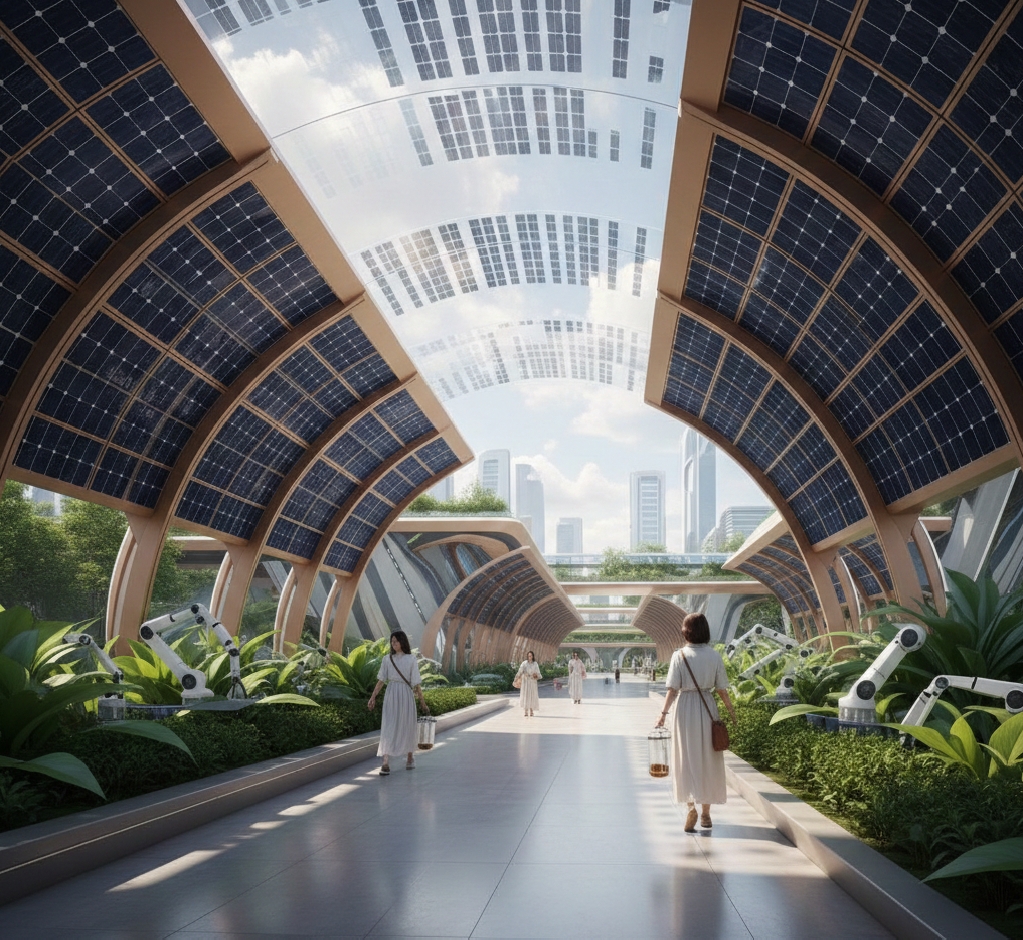
In the evolving world of sustainable energy, solar panels stand out as one of the most popular and effective solutions. With the growing urgency to combat climate change, solar technology has seen widespread adoption, and its relevance has never been more significant. This article explores the concept of solar panels teas passage, a term that reflects a unique intersection of solar energy solutions and efforts to make these technologies more accessible and impactful. We will discuss the role of solar panels in reducing carbon footprints, the latest technological advancements, and how they are becoming integral to sustainable living.
What are Solar Panels and Why Are They Important?
Solar panels, often referred to as photovoltaic (PV) panels, convert sunlight into electricity. This process occurs through the photovoltaic effect, where solar cells within the panel absorb sunlight and release electrons, creating an electric current. Therefore, solar panels are essential components of renewable energy systems. They offer a powerful solution to reduce our reliance on fossil fuels, providing clean, renewable energy from a naturally occurring resource — the sun.
As a result, solar panels are crucial for reducing carbon emissions and lowering energy costs. When individuals and businesses harness solar energy, they not only cut down their carbon footprints but also contribute to global sustainability efforts. Furthermore, as we embrace the solar panels teas passage, the shift toward greener energy sources becomes more apparent, pushing the world closer to a cleaner, more sustainable future.
The Impact of Solar Energy on Reducing Carbon Footprints
One of the most compelling reasons to invest in solar panels is their role in lowering carbon footprints. Traditional electricity generation relies heavily on fossil fuels like coal, oil, and natural gas, which release harmful greenhouse gases into the atmosphere. Consequently, these emissions contribute to climate change and environmental degradation.
In contrast, solar panels produce no direct emissions during operation. By installing them in homes, businesses, and large-scale solar farms, people can replace fossil fuel-based electricity with a clean alternative. Therefore, this transition reduces carbon footprints significantly. As more regions move along the teas passage toward renewable energy solutions, solar panels play a vital role in building a sustainable future.
Technological Advancements in Solar Panels
The solar energy industry has evolved dramatically since the introduction of the first solar panels. Today, solar panels are more efficient, affordable, and durable than ever before. Thanks to advancements in technology, solar systems now generate more power with less space, making them ideal for both residential and commercial installations.
Some notable technological improvements include:
- Higher Efficiency: Newer solar panels are far more efficient than older models, with some achieving efficiencies of up to 23%. This increase in efficiency means that they can generate more electricity from the same amount of sunlight.
- Better Storage Solutions: Innovations in battery technology have led to the development of more efficient and cost-effective energy storage systems. These batteries store excess energy produced during the day for use at night or on cloudy days.
- Flexible and Lightweight Panels: Solar panels are becoming more versatile. Manufacturers now produce flexible panels that can be installed on surfaces that were previously unsuitable for traditional models.
Consequently, these advancements make solar energy a more practical and attractive option for users, and they align with the solar panels teas passage toward widespread sustainability.
Teas Passage and Solar Panels: A Concept for Sustainability
Although the term “teas passage” may not be widely recognized in the context of solar energy, it represents a critical pathway for integrating solar panels into various environments, especially in areas that are still transitioning to renewable energy. In this sense, teas passage refers to the gradual but steady transition toward more sustainable living practices, where solar panels play a crucial role.
In many regions where traditional energy infrastructure is outdated or unreliable, solar panels offer a reliable, off-the-grid solution. Moreover, as more regions seek to improve their environmental footprints, integrating solar energy systems into homes, businesses, and public spaces is seen as a key step in the solar panels teas passage.
Benefits of Solar Panels: Why Choose Them?
The advantages of switching to solar energy are numerous. Below are several reasons why solar panels make an excellent investment for both homes and businesses:
- Cost Savings: While solar panels require a significant upfront investment, the long-term savings on energy bills make them well worth it. Over time, many homeowners and businesses find that their investment pays off through reduced electricity costs.
- Energy Independence: Solar panels reduce dependence on external energy sources. By generating their own electricity, individuals can eliminate the need for grid power, insulating themselves from rising energy prices.
- Low Maintenance: Once installed, solar panels require minimal maintenance. They are durable and designed to withstand various weather conditions, and routine cleaning and occasional inspections are typically enough to keep them functioning efficiently.
- Increased Property Value: Homes with solar panel installations are often valued higher than those without. In addition, buyers are increasingly seeking energy-efficient homes with lower operating costs, making solar panels an attractive feature when selling a property.
Clearly, these benefits make solar energy a compelling choice for those looking to embrace a more sustainable lifestyle and join the solar panels teas passage toward a greener world.
How Solar Panels Work: The Basics Explained
At their core, solar panels operate by converting sunlight into electricity. Here’s a simple breakdown of how they work:
- Photovoltaic Cells: Each solar panel consists of multiple photovoltaic (PV) cells that absorb sunlight.
- Absorption of Sunlight: When sunlight hits the solar cells, it excites electrons within the material, generating an electric current.
- Inverter: The electricity produced is in the form of direct current (DC), but most homes and businesses use alternating current (AC). An inverter converts DC into AC.
- Power Consumption: The AC electricity is used to power devices, appliances, or lighting within the home or business.
Solar power is a renewable energy source, meaning it will not run out as long as the sun shines. This makes it a sustainable long-term solution and a crucial part of the solar panels teas passage toward cleaner energy.
Solar Panels and Their Role in Teas Passage
The transition to clean energy, or teas passage, is gaining momentum, with solar panels playing an essential role in this shift. Governments and organizations around the world promote solar energy to reduce reliance on fossil fuels and combat climate change. However, solar technology must be accessible and scalable to make a significant impact.
Solar panels are now being integrated into a variety of settings, from rural homes in developing countries to urban skyscrapers in major cities. As the cost of solar technology continues to decrease and efficiency improves, more people worldwide gain access to this renewable energy source.
Conclusion: A Bright Future for Solar Panels
As we continue our journey toward a more sustainable and eco-friendly future, solar panels remain a cornerstone of the renewable energy movement. With ongoing advancements in solar technology and the global push for cleaner energy solutions, the role of solar panels will only grow in importance. “Teas passage”, or the steady shift toward greener practices, relies heavily on innovations like solar energy to make our world a better place.
Solar energy is not just a solution for today; it’s an investment in tomorrow. Whether you’re a homeowner, business owner, or simply someone interested in sustainability, embracing solar power is one of the best steps you can take to help preserve our planet for future generations and be part of the solar panels teas passage.
