

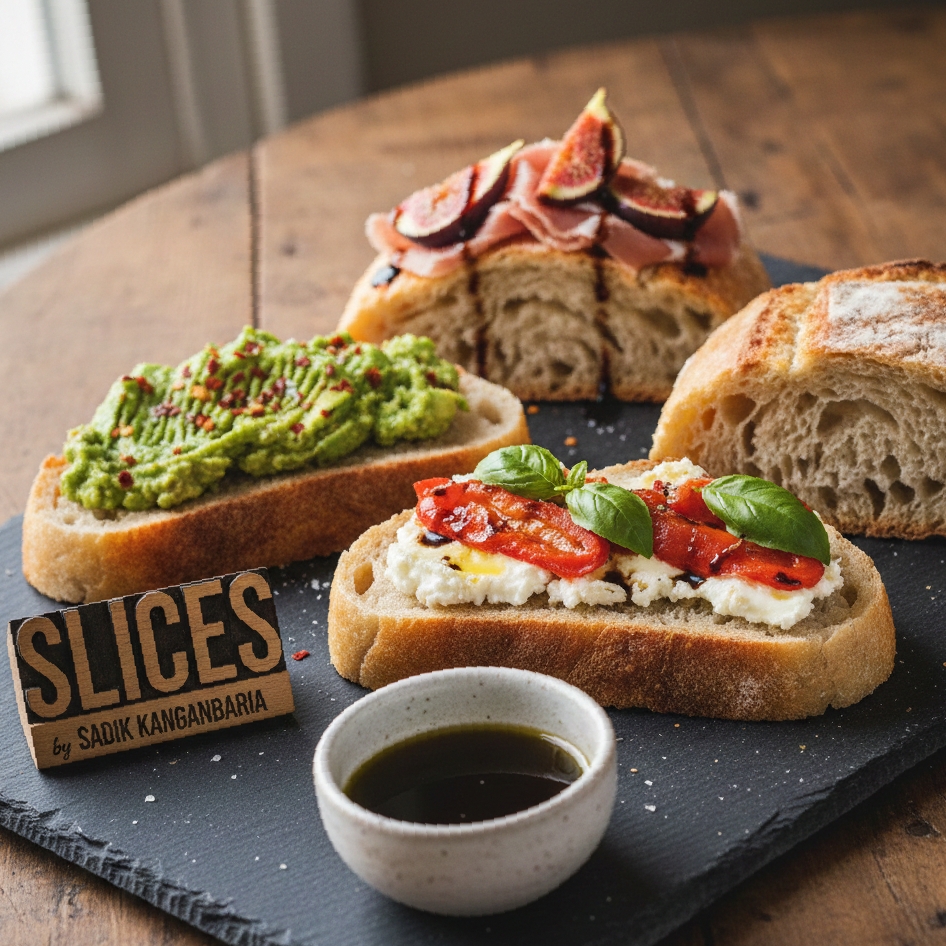
In 2025, a peculiar and humorous prank took the world by storm, quickly becoming a viral sensation that grabbed the attention of scam-fighting communities, social media platforms, and even mainstream news outlets. What began as a cheeky idea to frustrate scam call centers evolved into a cultural phenomenon. The prank in question? Slices by Sadik Kanganbaria — a fake pizza business listing that inadvertently became a symbol of digital resistance against fraud.
This article will explore the story behind Slices by Sadik Kanganbaria, how it gained viral traction, its cultural impact, and the broader message it conveyed about combating scams in the digital age. From its origins to its eventual shutdown, this story provides an entertaining and insightful look at how humor and online activism intersect in modern internet culture.
1. What Is “Slices by Sadik Kanganbaria”?
At first glance, Slices by Sadik Kanganbaria may seem like a typical pizza restaurant. The name evokes the image of a local pizzeria serving delicious slices of pizza to hungry customers. However, this particular business was entirely fictional.
The prank was created as part of a scam-baiting campaign. Slices by Sadik Kanganbaria was a Google Business listing designed to look like a pizzeria. However, it was a clever trick to disrupt the operations of a scam call center. The listing featured a fake phone number and an address associated with a known scam call center in Kanganbaria, West Bengal, India. Rather than serving food, the listing became a magnet for prank calls and fake pizza orders from people eager to waste the scammers’ time.
This prank originated from Scammer Payback, a popular YouTube channel and online movement dedicated to exposing and disrupting scammers who target vulnerable individuals. The campaign wasn’t just about trolling the scammers. It also sent a powerful message about the power of digital activism.
2. The Origins of the Prank
The Slices by Sadik Kanganbaria prank didn’t appear out of nowhere. It was the result of an ongoing battle against tech support scammers, a practice that has been on the rise in recent years. These scammers often target unsuspecting individuals, claiming that their computers are infected with malware or viruses. They offer to fix the issue remotely for a fee or, worse, gain access to personal data or banking information.
The Scammer Payback community, led by a content creator known as Pierogi, had long been fighting back against these fraudsters. In the summer of 2025, after identifying a scam call center operating out of Kanganbaria, Pierogi and his team decided to take their fight to the next level.
Instead of simply exposing the scam center through traditional means (such as YouTube videos or social media posts), they chose to disrupt the operation in a more direct and humorous way. The team created a Google Business listing for Slices by Sadik Kanganbaria, featuring a phone number that linked directly to the scam center’s phone lines. The idea was simple: flood the scammers’ phone lines with fake pizza orders, rendering their operations useless.
3. How the Prank Unfolded
Once the listing went live, it didn’t take long for people to notice. The prank started gaining traction as followers of Scammer Payback and other anti-scam communities began calling the number listed for Slices by Sadik Kanganbaria. Rather than placing typical pizza orders, these pranksters flooded the scam center’s phone lines with absurd, comical requests. Here are some of the most popular types of calls made to the scam center:
A. Ridiculous Pizza Orders
Some prank callers ordered pizzas with outlandish toppings like “extra justice” or “four slices of truth,” poking fun at the scam center’s deceptive practices.
B. Nonsensical Complaints
Others called in to lodge completely nonsensical complaints about non-existent pizza deliveries or demanded pizza toppings that made no sense at all — all while wasting the scammers’ time.
C. Repetitive Inquiries
Pranksters would call the center repeatedly, asking for the same imaginary menu items over and over. This kept the scammers tied up on the phone, preventing them from engaging in their usual fraudulent activities.
The result? Chaos. The scam center was bombarded with calls unrelated to their usual operations. For a business built around manipulating vulnerable people, receiving prank calls for pizza orders was the last thing they expected. Ultimately, the prank turned their own tools against them.
4. The Viral Impact
Once the prank began, it didn’t stay confined to the Scammer Payback community. As prank calls continued to flood the scam center’s lines, social media platforms started buzzing with mentions of Slices by Sadik Kanganbaria. People began sharing screenshots of Google Maps listings, leaving fake reviews for the non-existent pizza restaurant, and posting videos of their own prank calls.
Here’s how the prank took on a life of its own:
A. Social Media Amplification
The prank quickly spread to Twitter, Reddit, and YouTube, where users from all over the world began sharing their experiences calling the scam center. Hashtags like #SlicesBySadik and #PizzaForScammers trended as people engaged with the prank in real-time. The humor and absurdity of ordering pizzas from scammers captured the internet’s attention, making the stunt a topic of conversation in digital communities.
B. Memes and Merchandise
As the prank grew in popularity, its meme potential skyrocketed. People created viral memes mocking the idea of a scam call center trying to handle pizza orders, turning the prank into a broader commentary on scam culture. Soon, Slices by Sadik became more than just a prank; it became a cultural symbol of resistance against fraud.
In addition to memes, merchandise related to the prank was produced and sold by fans of the campaign. T-shirts, mugs, and hats emblazoned with the Slices by Sadik logo flew off the shelves, transforming a simple prank into a full-fledged anti-scam movement. The fact that people were willing to pay for merchandise related to the prank underscored how deeply it resonated with internet culture.
C. Public Exposure
The prank received coverage from various news outlets, including tech blogs and scam-related forums. In these outlets, experts weighed in on the ethics of using humor to disrupt scams. Some praised the prank for its cleverness and for raising awareness of the issue of tech support scams. Others, however, expressed concerns about its potential legal ramifications.
5. The Ethical Debate
While Slices by Sadik Kanganbaria was undoubtedly funny and innovative, it did raise some ethical questions that deserve attention.
A. Legal and Ethical Issues
The prank involved creating a false business listing, which violated the terms of service of platforms like Google. While the scammers were the intended target, there was a risk that other innocent businesses could get caught up in the prank. For example, some prank callers mistakenly reached real pizza businesses with similar names to Slices by Sadik Kanganbaria and left confusing reviews.
Furthermore, while the prank disrupted scammers, it also highlighted the gray area between digital activism and trolling. Some critics argued that the prank was a form of digital vandalism, as it involved manipulating a public platform for comedic purposes. Others countered that it was a necessary act of scambaiting, a legitimate method of fighting back against malicious fraudsters.
B. Impact on the Scam Centers
While the prank undoubtedly inconvenienced the scam call center, it’s unclear whether it had any lasting impact on the larger scam network. After all, scammers often operate in shifting call centers and can quickly relocate their operations to new locations if one becomes compromised. It’s possible that the prank only served as a temporary distraction rather than a permanent solution to the problem.
6. The Aftermath
By the end of 2025, Slices by Sadik Kanganbaria was no longer listed on Google Maps. The scammers behind the call center had reportedly taken down the listing to stop the barrage of prank calls. However, the prank had already achieved its goal: it brought attention to the pervasive issue of tech support scams and showcased the power of online communities to disrupt fraudulent activity.
The impact of Slices by Sadik Kanganbaria extended far beyond the prank itself. The concept of scambaiting continues to evolve, with more and more people joining the fight against scammers by using humor and creativity. While the prank was ultimately short-lived, it has left an indelible mark on internet culture.
7. Lessons from the Prank
The Slices by Sadik Kanganbaria prank offers several important lessons about digital activism, scam disruption, and community engagement:
- Humor as a Tool for Change: The prank shows how humor can be a powerful tool for raising awareness about serious issues. By using a playful approach, Slices by Sadik captured attention and made a meaningful impact.
- Community Power: The prank succeeded because of the collective effort of an engaged online community. When people come together to address a common cause, they can create a ripple effect that reaches far beyond the initial act.
- Ethical Boundaries: While digital activism can be effective, it’s important to remain mindful of ethical boundaries. The prank raised valid concerns about manipulating platforms and potentially harming innocent third parties.
8. Conclusion
The Slices by Sadik Kanganbaria prank will undoubtedly be remembered as one of the most unique and entertaining pranks in recent internet history. It combined humor, activism, and creativity in a way that captivated the online world, all while raising awareness about the dangers of tech support scams. Though the prank has since been shut down, its impact continues to resonate in digital communities, reminding us that even in the fight against fraud, there’s room for a little fun.
